



2025 Ford Escape vs. 2025 Toyota RAV4
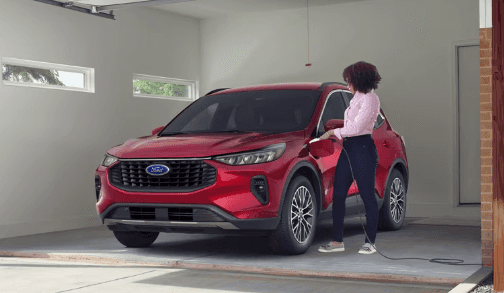
The compact SUV market has two major players going toe-to-toe: the 2025 Ford Escape and Toyota RAV4. Both got fresh updates this year, making now the perfect time to compare cars. Let’s dig into what sets these popular models apart in performance, features, and value to help you figure out which fits your life better.
Performance and Specs Comparison
Ford gives you more choices under the hood with the 2025 Escape. You can pick from four different engines: a 1.5-liter EcoBoost pushing 180 horsepower, a stronger 2.0-liter EcoBoost with 250 horsepower, a hybrid setup delivering 192 total system horsepower, or a plug-in hybrid making 210 horsepower. The RAV4 has just three options: a 2.5-liter gas engine with 203 horsepower, a hybrid system with 219 horsepower combined, and a 302-horsepower plug-in hybrid.
The Escape Plug-in Hybrid goes from 0 to 60 mph in about 8 seconds, which is slower than the RAV4 Plug-in Hybrid’s 5.5 seconds. If you need to pull stuff, the Escape with the 2.0-liter EcoBoost can tow up to 3,500 pounds with the Class II package, which is more than double the RAV4’s 1,500-pound limit on gas models. Both come with front- or all-wheel drive.
Fuel Economy and Environmental Impact
The 2025 Escape hybrids get 42 mpg city, 36 mpg highway, and 39 mpg combined, while the RAV4 Hybrid manages 41 mpg city, 38 mpg highway, and 40 mpg combined. The regular gas models are almost identical; both are rated at 27 mpg in the city and 30 mpg combined, with just a 1 mpg difference on the highway (34 mpg for the Escape and 35 mpg for the RAV4).
Ford’s Escape Plug-in Hybrid goes about 37 miles on electricity alone and can travel approximately 481 miles total before needing a fill-up. Toyota’s RAV4 Plug-in Hybrid beats it in electric range, offering around 42 miles of battery-only driving. Both SUVs pack eco-friendly tech, such as regenerative braking and special drive modes to maximize efficiency. If you’re a green-minded buyer, you have solid options either way.
Interior Comfort and Space
The Ford Escape has 104 cubic feet of passenger volume in its gas models, beating the RAV4’s 98.9 cubic feet. The Escape provides 42.4 inches of legroom up front and a generous 40.7 inches in back, while the RAV4 is tighter with 41 inches and 37.8 inches, respectively. An extra 3 inches in the back seat makes a huge difference on long trips.
For hauling stuff, these SUVs are practically neck-and-neck. The Escape holds 37.5 cubic feet behind the rear seats and expands to 65.4 cubic feet with seats down. Toyota’s RAV4 beats it slightly with 37.6 cubic feet in the back, expanding to 69.8 cubic feet with folded seats. Both have split-folding rear seats and adjustable cargo floors for flexibility. Material quality varies by trim, from basic cloth to fancy leather, with pricier versions getting softer materials and better sound deadening for a quieter ride.
Exterior Design and Aesthetics
The two SUVs took completely different paths in the styling department. The Ford Escape measures 180.5 inches long, 74.1 inches wide, and 66.1 inches tall. It looks sleek and city-friendly with smooth lines and a bold grille. Ford went for an urban vibe that might catch your eye if you want something sophisticated and less rugged-looking.
Toyota’s RAV4 is 180.9 inches long, 73 inches wide, and 67 inches tall. It rocks a much tougher appearance with sharp angles and an outdoorsy attitude. This more aggressive look may appeal if you want your SUV to look ready for adventure, even in a mall parking lot. Both vehicles offer LED lights, big sunroofs, and various wheel designs to match your personal style.
Technology and Connectivity Features
If screen size matters to you, the Escape offers an available 13.2-inch touch screen with SYNC 4 infotainment, which is significantly larger than the RAV4’s 10.5-inch display. Both support wireless Apple CarPlay and Android Auto, so your smartphone will play nice regardless of which SUV you pick.
The Escape offers an optional 10-speaker Bang & Olufsen sound system to enhance your audio experience, but the RAV4 fights back with its own audio upgrades plus Amazon Alexa integration. Higher trims of both models pack digital gauge clusters and head-up displays, but their performance varies, so you’ll want to try them out on a test-drive to see which layout you prefer.
Safety Ratings and Features
Both manufacturers take safety seriously. The Ford Escape includes the Co-Pilot360 package with precollision assist featuring automatic emergency braking, blind-spot information system with rear cross-traffic braking, and lane-keeping assist. Toyota puts its Safety Sense 2.5 in every RAV4. It includes similar tech, such as a precollision system with pedestrian detection, lane departure alert, and dynamic radar cruise control.
Earlier versions of both SUVs have good safety records with the National Highway Traffic Safety Administration and the Insurance Institute for Highway Safety. It’s worth noting that even though these safety features sound similar on paper, they can feel quite different in practice. Some systems are more subtle, while others are more aggressive in how they intervene. Take both for a spin to decide which approach you prefer.
Price Comparison and Value for Money
The 2025 Escape starts at $29,150 for the base Active trim, while the RAV4 LE starts at $29,250. The gap widens dramatically for plug-in models — Ford’s Escape Plug-in Hybrid starts at $37,400, while Toyota wants $44,265 for the RAV4 Plug-in Hybrid.
Of course, price tags don’t tell the whole story. Think about gas savings with hybrids, what features you get at each price point, and long-term costs. Toyota has historically kept its value better at resale time and scored higher on reliability charts, but Ford’s lower entry price and cheaper plug-in option might stretch your budget further initially. Consider how long you’ll keep the vehicle and what matters most to you.
Trim Levels and Customization Options
Ford offers the 2025 Escape in six trims: the Active, ST-Line, ST-Line Select, Platinum, ST-Line Elite, and Plug-in Hybrid. This gives you options from basic transportation to sporty styling or luxury features. Various packages and standalone options let you tailor an Escape to fit your specific wants.
Toyota structures the 2025 RAV4 lineup with the LE, XLE, XLE Premium, SE, XSE, and Limited trims. Like Ford, Toyota caters to different tastes and budgets, and both companies sell special versions too, including sportier models and off-road variants that might appeal if you want something less mainstream.
Experience the 2025 Ford Escape at Jim Bass Ford
The Ford Escape shines with more engine choices, a cheaper plug-in hybrid option, and a bigger touch screen. The RAV4 counters with its tougher looks, slightly better hybrid fuel economy, and Toyota’s stellar reputation for durability. Your choice really depends on what you care about most. A car comparison tool will only tell you so much. We recommend you drive both, feel how they handle, sit in all the seats, push the buttons, and see which one feels right. To get behind the wheel of a 2025 Ford Escape, visit us at Jim Bass Ford in San Angelo, Texas.

0 comment(s) so far on 2025 Ford Escape vs. 2025 Toyota RAV4