



How to Keep Your Engine Clean
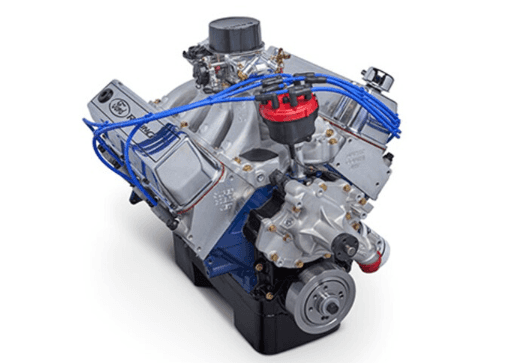
Your vehicle’s engine is its heart, and like any vital component, it performs best when it’s clean and well-maintained. A clean engine not only improves your car’s performance but also prolongs its life, prevents costly repairs, and adds resale value. Whether you’re a DIY enthusiast or just want to understand how to better care for your vehicle, keeping your engine clean is a simple habit that pays off in the long run.
Why Engine Cleanliness Matters
Many drivers don’t think twice about what’s going on under the hood unless something goes wrong. But dirt, grease, road salt, and debris naturally build up in the engine bay over time. While some grime is harmless, too much can lead to:
-
Overheating: Accumulated gunk insulates heat, making it harder for your engine to cool down.
-
Wiring Damage: Oil and grime can wear down electrical wiring and rubber components.
-
Corrosion: Road salts and moisture promote rust and decay on metal parts.
-
Difficulty Diagnosing Problems: Leaks are easier to spot on a clean engine.
-
Reduced Resale Value: A clean engine makes a better impression on potential buyers or appraisers.
For both performance and aesthetics, a clean engine just makes sense.
How Often Should You Clean Your Engine?
How often you should clean your engine depends on how and where you drive. If you regularly drive on dirt roads or in areas with snow and road salt, you may need to clean it every three to four months. For everyday drivers in moderate conditions, a biannual cleaning is usually enough.
If your vehicle is older or has existing leaks, more frequent cleaning may help monitor problems. Newer vehicles, which tend to have better engine sealing and splash guards, can go longer between cleanings.
Pre-Cleaning Checklist
Before diving in, take some precautions:
-
Cool Down Completely: Never clean a hot engine. Let it cool for at least 30–45 minutes after driving.
-
Cover Sensitive Parts: Use plastic bags or wrap to cover the battery, alternator, exposed filters, and fuse boxes. These components don’t mix well with water.
-
Gather Supplies: You’ll need:
-
Degreaser (engine-specific or a general-purpose solvent)
-
A soft or medium bristle brush
-
Microfiber towels
-
Water source (a garden hose with gentle pressure, not a high-pressure washer)
-
Optional: vacuum, compressed air, or leaf blower for debris
-
Step-by-Step Guide to Cleaning Your Engine
Step 1: Remove Loose Debris
Begin by popping the hood and removing any obvious debris—leaves, twigs, or buildup around the engine bay. You can use your hands, a vacuum with a narrow nozzle, or compressed air to blow out tight spaces. This dry prep step makes the rest of the cleaning more effective.
Step 2: Apply Degreaser
Spray a light coat of degreaser on greasy or grimy areas. Start from the bottom and work your way up to avoid streaks. Let the degreaser sit for 5–10 minutes, giving it time to break down the oil and dirt. For stubborn spots, use a soft brush to agitate the grime.
Tip: Avoid using household cleaners that contain ammonia or bleach, as these can damage rubber seals and coatings.
Step 3: Rinse Gently
Using a low-pressure hose, rinse the engine bay carefully. Focus on areas with heavy buildup, but avoid prolonged soaking of electrical parts—even if you’ve covered them. The goal is to rinse away dirt and cleaner, not flood the compartment.
If you’re nervous about using water, opt for waterless degreasers and a damp cloth instead. These can be just as effective with a bit more elbow grease.
Step 4: Dry the Engine Bay
After rinsing, dry the engine with a microfiber towel to absorb remaining water. For extra moisture removal, use compressed air or a leaf blower around tight spaces and under components. Let the hood remain open for 30 minutes to an hour to air-dry fully.
Step 5: Remove Covers and Inspect
Once the engine is dry, remove any plastic covers or wraps from the sensitive components. Take this opportunity to inspect for leaks, cracks in hoses, or other signs of wear. You’ll notice issues much faster now that everything is clean.
Optional: Apply a Protective Finish
Some car owners like to apply a plastic or rubber protectant to rubber hoses and plastic covers to restore shine and prevent cracking. Be cautious—avoid applying anything slippery to belts or components that move. Use products made specifically for under-hood use.
Benefits of Keeping Your Engine Clean
Now that your engine is sparkling, here’s what you can expect:
-
Better Performance: A cleaner engine bay runs cooler and more efficiently.
-
Fewer Repairs: You’ll catch issues like oil leaks or worn belts early.
-
Extended Lifespan: Clean components last longer and corrode less.
-
Improved Appearance: Whether you’re selling your vehicle or just proud of your ride, a clean engine is impressive.
-
Higher Resale Value: Cleanliness signals care and attention to detail, which matters to buyers and dealers alike.
Common Mistakes to Avoid
-
Using high-pressure washers: These can damage components and force water into sealed areas.
-
Cleaning a hot engine: Cold water on hot parts can crack plastics or warp metal.
-
Overusing chemicals: Harsh cleaners can strip finishes or dry out rubber components.
-
Skipping the inspection afterward: Cleaning is a perfect chance to look for maintenance issues.
When to Get Professional Help
If your engine is extremely dirty, has heavy oil buildup, or includes aftermarket electrical systems, consider having it detailed by a professional. Dealerships and automotive shops often offer engine detailing services that ensure thorough cleaning without risking damage.
Final Thoughts
Engine cleaning isn’t just about looks—it’s a simple maintenance habit that keeps your vehicle running strong. With a few basic tools and a little time, you can clear away years of grime and keep your engine bay in peak condition. Whether you’re maintaining a work truck, a daily driver, or a weekend cruiser, taking care of your engine shows pride in your vehicle and pays off over time.

0 comment(s) so far on How to Keep Your Engine Clean